
Myths and legends of Swansea Bay, Mumbles and Gower
Discover a rich tapestry of myths and legends woven through Swansea Bay, Mumbles and Gower, where dramatic coastlines and ancient landscapes inspire timeless tales.
From ghostly figures to heroic folklore, these stories bring history and imagination together, revealing the cultural heritage and enduring mysteries that shape this beautiful corner of South West Wales.
Getting there by train
Fast and frequent train services link all regions of the UK to Swansea Bay either direct or with one easy interchange.
Direct trains run from London Paddington, Bristol Parkway, Cardiff, Newport, Hereford, Shrewsbury, Crewe and Manchester to the Swansea Bay area, and there are good connections from the Midlands, north-east, south, and south-west England at Bristol Parkway.
Day 1: Swansea Bay and Mumbles
Morning: Swansea
On arrival at Swansea Train Station, take a short (15 to 20 minutes) walk via High Street, Castle Street and Wind Street to visit Wales' oldest museum, Swansea Museum, a Grade II listed building, built in 1841.
Step inside Swansea Museum and uncover the stories that shaped the city's past, from its rich industrial and maritime heritage to its cultural roots. Don't miss the striking 700-year-old carving believed to depict Alina de Mowbray, the legendary 'White Lady of Oystermouth'.
The sculpted stone head, dating from around 1330, was discovered at the site of the old Rectory House in Fisher Street, Swansea. Believed to have originated from St Mary's Church (now called Swansea Minster), it may once have formed part of a Gothic window, serving as a mullion, the elegant vertical stone that divided its panes.
Swansea Museum is free to enter and is open Tuesday to Sunday between 10:00 and 16:30 (last entry 16:00) as well as on Bank Holiday Mondays.

Head towards the City Centre and to Swansea’s Grand Theatre. Opened in 1897 by opera legend Dame Adeline Patti, the Grand Theatre has seen its fair share of star turns over the years – big names like Richard Burton, Ivor Novello and Sir Harry Secombe, no less. But they're all upstaged by a paranormal performer known only as Jenny, who has been treading the boards here for over 100 years. The white-clad apparition is thought to be an actress who appeared at the Grand Theatre shortly before taking a trip on the Titanic’s ill-fated maiden voyage. Please note that access to the Grand Theatre auditorium is not permitted unless attending a performance.
Swansea City Centre is brimming with inviting spots for a quick coffee, homemade cake or a leisurely lunch. Before you leave, be sure to sample freshly baked Welshcakes straight from the bakestone at Swansea Market, the largest indoor market in Wales. And, if you're feeling adventurous, try local delicacies like cockles and laverbread too!
Head to Swansea Bus Station to catch a bus to the coastal village of Mumbles, just a short 20-minute journey away.
Afternoon: Mumbles
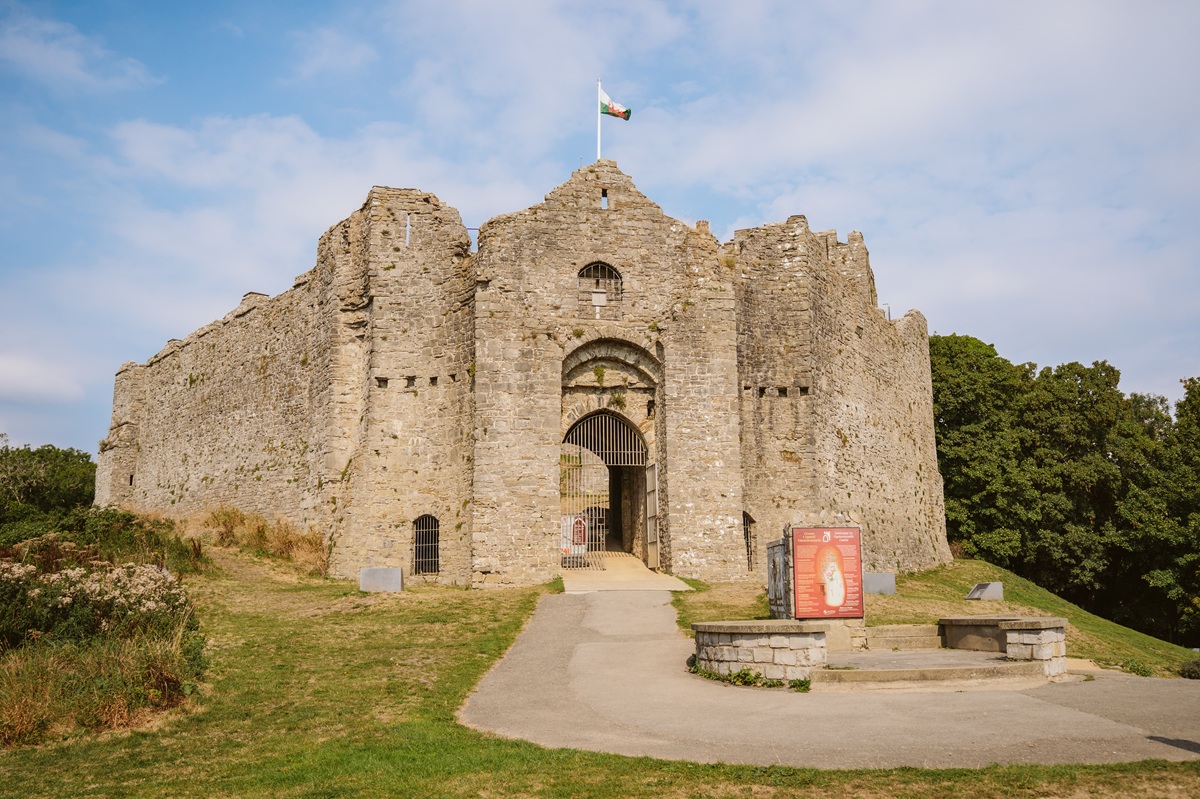
On arrival in Mumbles, make your way to Oystermouth Castle, a striking Norman fortress dating back to the 12th century. Steeped in legend, it's said to be haunted by ghostly figures - most notably the 'White Lady', believed to be Alina de Mowbray, daughter of the Lord of Gower and the castle's most enduring spirit.
Features of the castle include ancient graffiti art dating from the 14th century, as well as the medieval maze of deep vaults and secret staircases! Not forgetting the magnificent views over Swansea Bay.
The Castle is open daily from Saturday 28 March to Wednesday 30 September, 11:00 to 17:00 (last admission 16:30) and weekends only during October.
After your visit to the castle, head for a late lunch/dinner at one of the many cafes, coffee shops and restaurants in Mumbles. Why not opt for a seafood lunch (oysters anyone?) followed by a knickerbocker glory (there are plenty of ice cream parlours to choose from!).
Day 2: Gower National Landscape
Please refer to Traveline Cymru for local bus times and check details before travelling.
Morning: Arthurian legends at Cefn Bryn
Discover Cefn Bryn, the backbone of Gower National Landscape, where breathtaking 360-degree views sweep across rolling countryside and rugged coastline. It's easy to see why Gower became the UK's first Area of Outstanding Natural Beauty in 1956!
Take a walk to Arthur’s Stone (Maen Ceti), a striking Neolithic burial chamber steeped in myth and legend. According to local folklore, King Arthur himself hurled the massive 25-tonne capstone from afar, where it came to rest atop Cefn Bryn – adding a touch of magic to this ancient landscape.
As you explore Gower, you may spot mysterious menhirs – ancient standing stones that have watched over the landscape since the Bronze Age. Their purpose remains a subject of intrigue: some believe they marked sacred sites, others that they guided travellers, while more mystical theories suggest they trace powerful ley lines across the peninsula.
Afternoon: Fairy folklore at Pennard
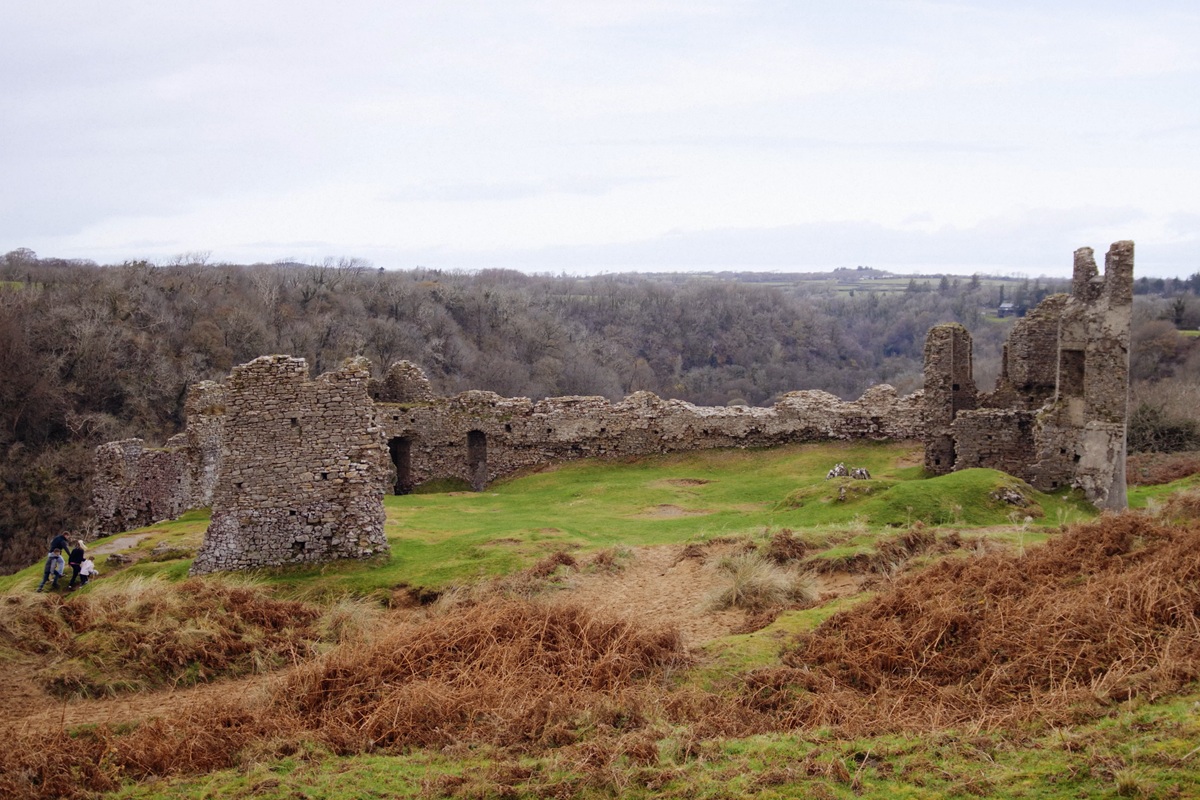
Discover the atmospheric ruins of Pennard Castle, built between the 12th and 14th centuries, likely by Henry de Beaumont, the first Earl of Warwick. Perched above the breathtaking Three Cliffs Bay, it offers sweeping views of golden sands, rolling dunes, and the dramatic limestone cliffs that define this iconic landscape.
According to the myth, the castle's lord attacked a group of dancing fairies (the Tylwyth Teg) after they disrupted his wedding feast. As punishment, the fairy queen summoned a powerful sandstorm that buried the castle, leaving the ruins seen today.
Evening: Worm’s Head and Rhossili
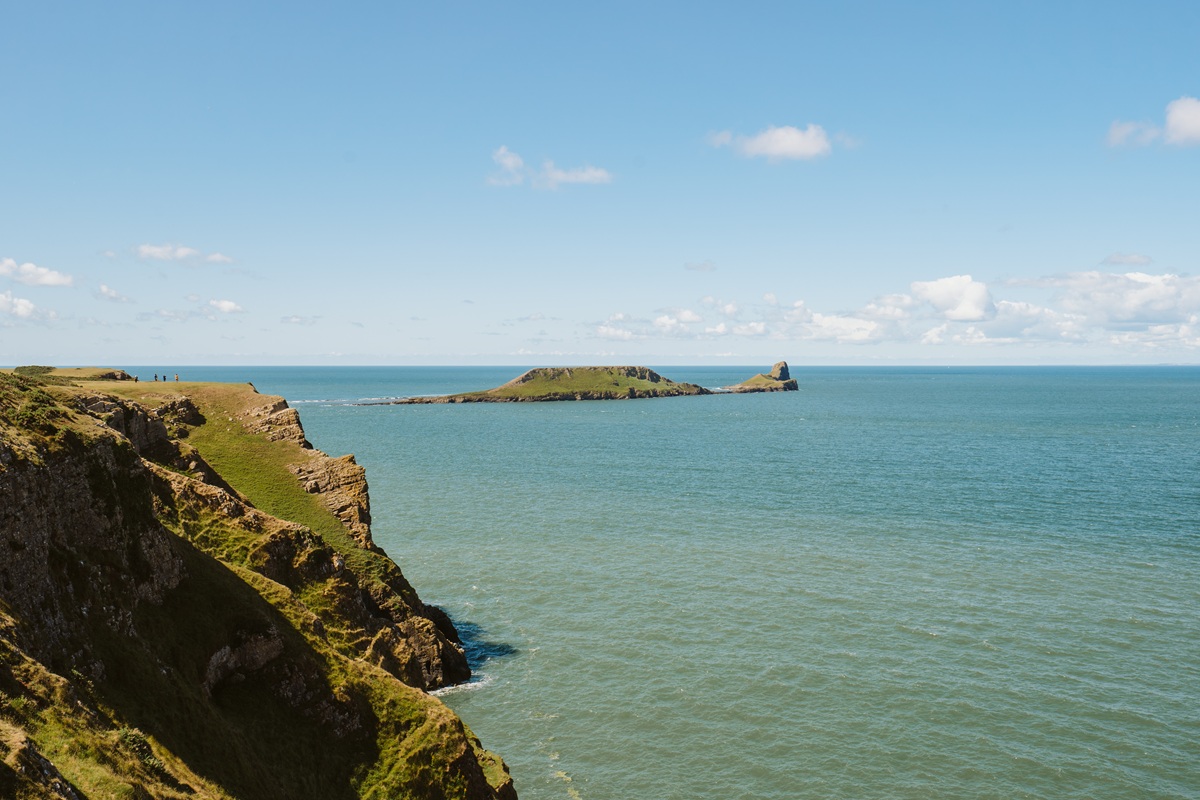
Make your way to Worm's Head and experience the breathtaking beauty of Rhossili Bay, famously dubbed 'The Supermodel of British Beaches' by The Independent. A favourite with surfers and dog walkers alike, this stunning stretch offers scenic walking routes, thrilling watersports, and sweeping views from Rhossili Down. Keep your eyes peeled for seals basking on the rocks and dolphins playing in the surf.
The name "Worm’s Head" originates from the Norse word for dragon, reflecting the island’s striking shape. Its long, winding rocky form rising from the sea resembles a giant, sleeping dragon, an image that inspired early settlers. In Welsh, this dramatic landmark is known as 'Pen Pyrod'.
Please note that access to the Outer Head of Worm’s Head is restricted until Friday 31 July to protect the bird nesting season.
Places to stay
Take your pick from stylish city centre hotels, cosy coastal cottages, peaceful rural retreats or scenic campsites, with glamping options for an extra touch of comfort.
Go to visitswanseabay.com to discover some of the best places to stay across Swansea Bay, Mumbles and Gower.
Getting around
Regular bus services connect Swansea City Centre with Mumbles and Gower, making it easy to explore the area without a car. For up-to-date travel information, visit visitswanseabay.com or contact Traveline Cymru on 0800 464 0000.